github.com/dome272/Diffusion-Models-pytorch @main
Chat with this repoBrowse by type
What it actually does AI analysis from the code graph — generated when you open this
README
Diffusion Models
This is an easy-to-understand implementation of diffusion models within 100 lines of code. Different from other implementations, this code doesn't use the lower-bound formulation for sampling and strictly follows Algorithm 1 from the DDPM paper, which makes it extremely short and easy to follow. There are two implementations: conditional and unconditional. Furthermore, the conditional code also implements Classifier-Free-Guidance (CFG) and Exponential-Moving-Average (EMA). Below you can find two explanation videos for the theory behind diffusion models and the implementation.
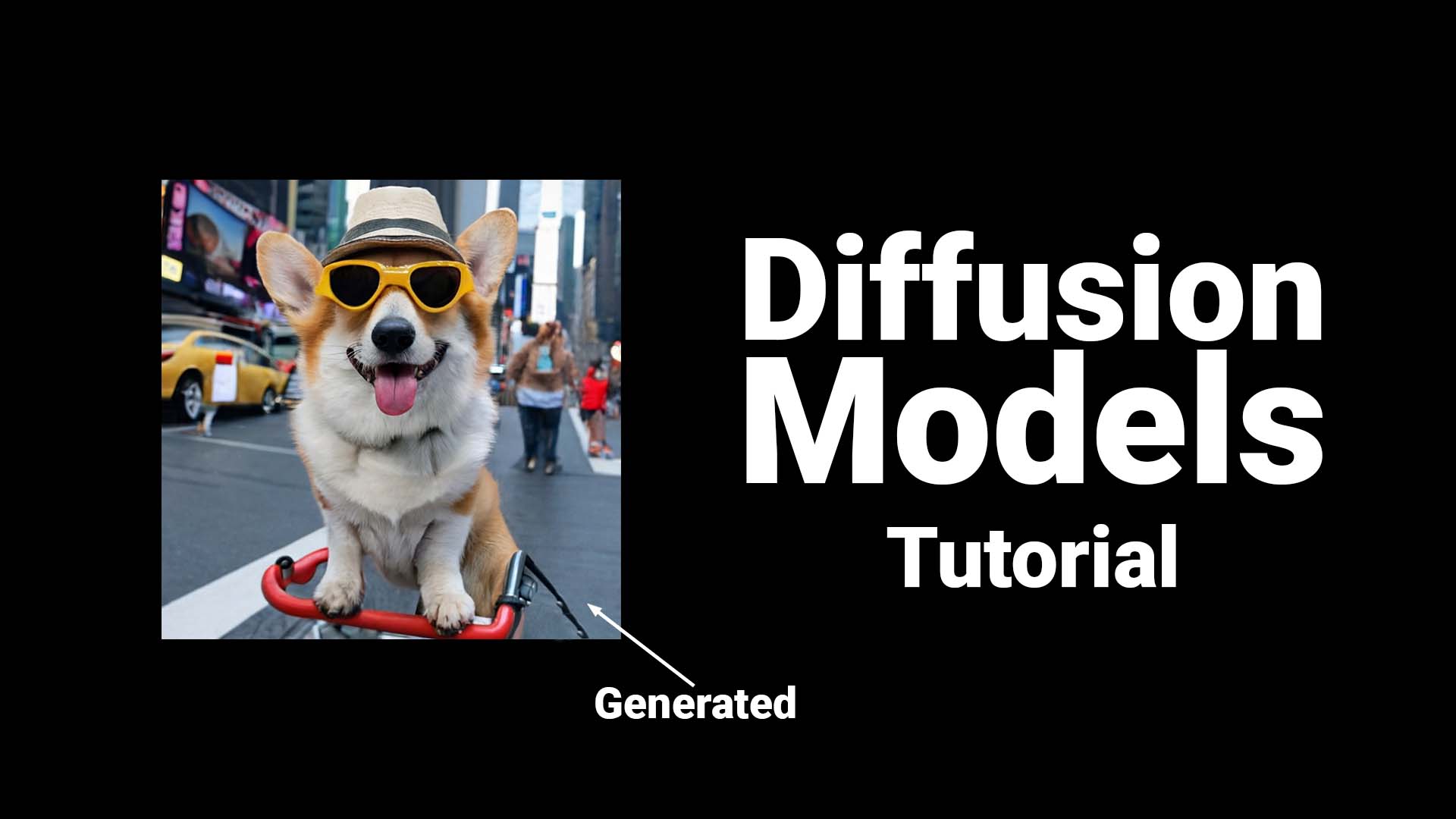
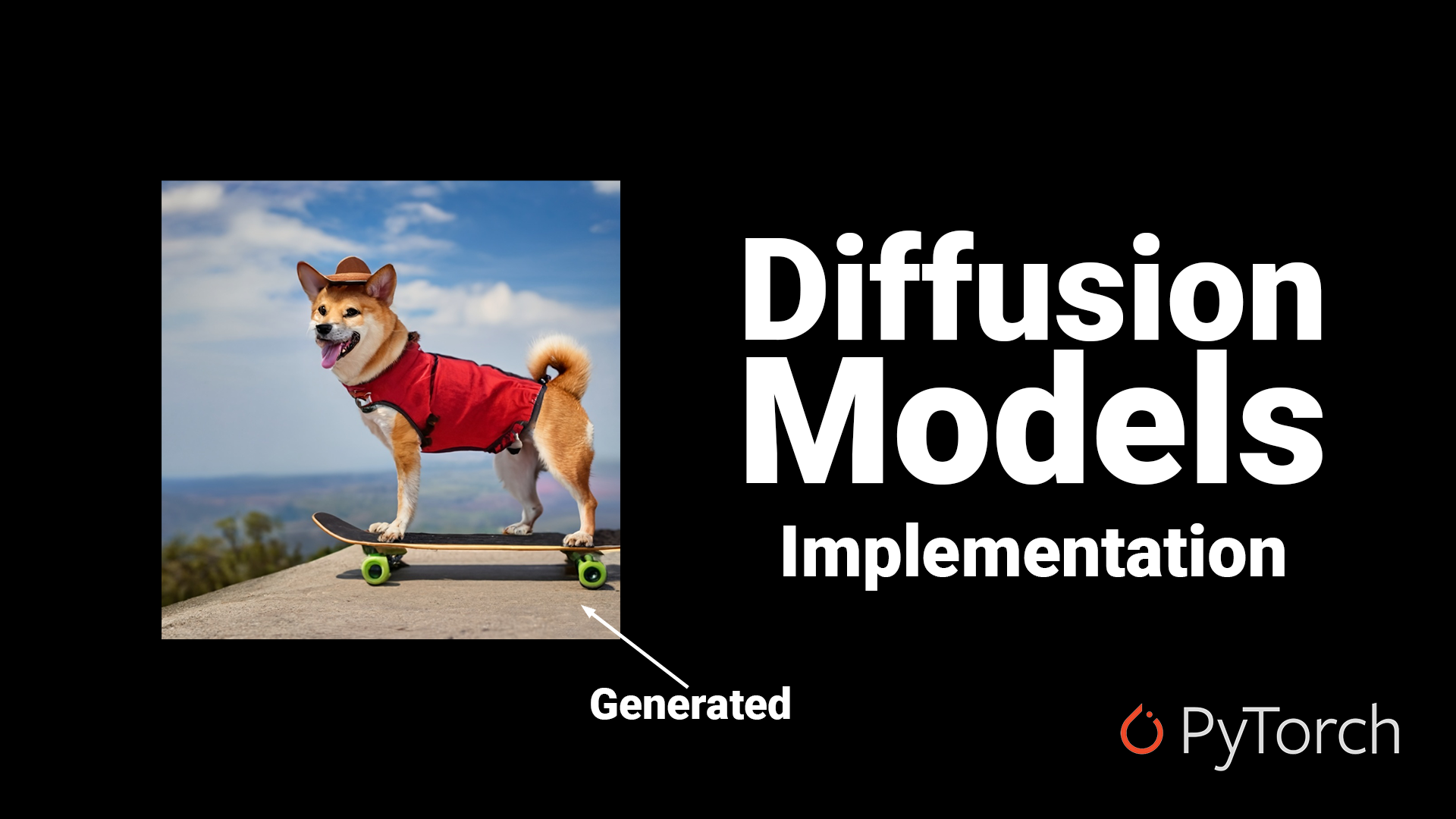
Train a Diffusion Model on your own data:
Unconditional Training
- (optional) Configure Hyperparameters in
ddpm.py - Set path to dataset in
ddpm.py python ddpm.py
Conditional Training
- (optional) Configure Hyperparameters in
ddpm_conditional.py - Set path to dataset in
ddpm_conditional.py python ddpm_conditional.py
Sampling
The following examples show how to sample images using the models trained in the video on the Landscape Dataset. You can download the checkpoints for the models here.
Unconditional Model
    device = "cuda"
    model = UNet().to(device)
    ckpt = torch.load("unconditional_ckpt.pt")
    model.load_state_dict(ckpt)
    diffusion = Diffusion(img_size=64, device=device)
    x = diffusion.sample(model, n=16)
    plot_images(x)
Conditional Model
This model was trained on CIFAR-10 64x64 with 10 classes airplane:0, auto:1, bird:2, cat:3, deer:4, dog:5, frog:6, horse:7, ship:8, truck:9
    n = 10
    device = "cuda"
    model = UNet_conditional(num_classes=10).to(device)
    ckpt = torch.load("conditional_ema_ckpt.pt")
    model.load_state_dict(ckpt)
    diffusion = Diffusion(img_size=64, device=device)
    y = torch.Tensor([6] * n).long().to(device)
    x = diffusion.sample(model, n, y, cfg_scale=3)
    plot_images(x)
A more advanced version of this code can be found here by @tcapelle. It introduces better logging, faster & more efficient training and other nice features and is also being followed by a nice write-up.
Core symbols most depended-on inside this repo
Shape
Languages
Modules by API surface
For agents
$ claude mcp add Diffusion-Models-pytorch \
  -- python -m otcore.mcp_server <graph>